Understanding the Best IPTV Providers
If you’ve ever felt overwhelmed by the high costs and restrictions of traditional cable services, you’re not alone. Many consumers are gravitating towards alternative viewing options, especially as technology advances. One standout option that has captured interest lately is IPTV, or Internet Protocol Television. IPTV services provide a way to stream television content over the internet, delivering live channels and on-demand programming without the hefty price tag and lengthy contracts typical of cable services. When exploring options, Best IPTV providers can help clarify the evolving landscape.
What is IPTV and How Does It Work?
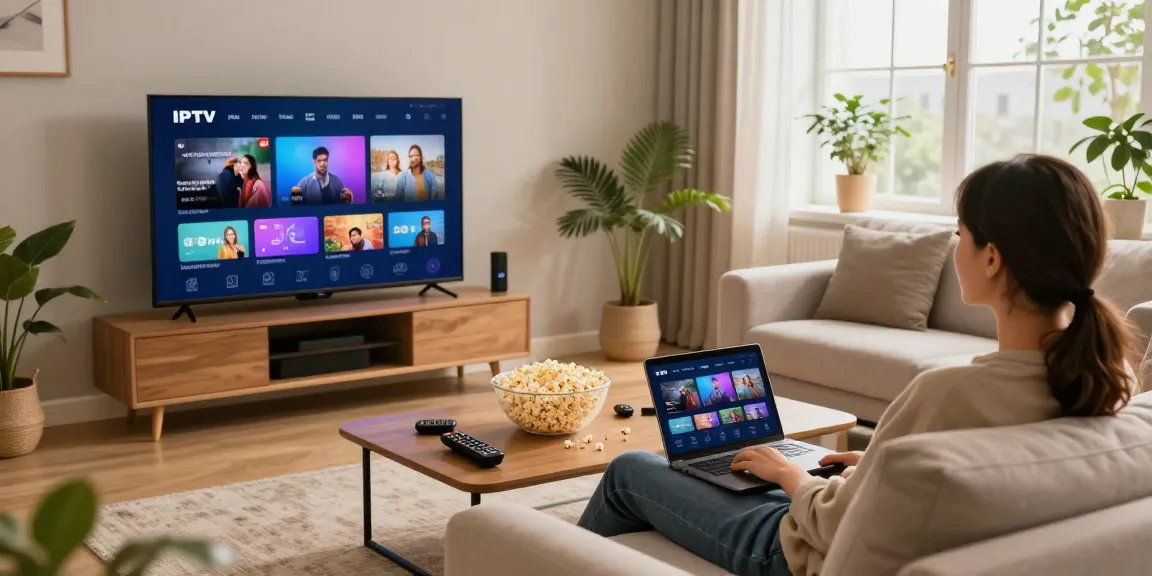
IPTV or Internet Protocol Television is a digital television broadcasting technology that uses the Internet protocol suite to deliver television content. Unlike traditional broadcasting methods that rely on satellite or cable infrastructure, IPTV streams content via your existing internet connection. This means you can watch your favorite shows and channels on various devices, including smart TVs, computers, and mobile devices, as long as you maintain a reliable internet connection.
Key Benefits of Switching to IPTV Services
Switching to IPTV offers numerous benefits for viewers looking for more flexibility, affordability, and control over their television content. Here are some standout advantages:
- Cost-Effective: IPTV services can significantly reduce your monthly television expenses. For example, Livetvfortv offers plans starting as low as $5.83 per month, allowing you to save over $1,700 a year compared to traditional cable subscriptions.
- Extensive Channel Selection: IPTV provides access to a plethora of channels—Livetvfortv boasts over 15,000 live channels—with diverse content that includes popular sports, movies, news, and local programming.
- No Contracts or Hidden Fees: Most IPTV services operate on a month-to-month basis, meaning you can cancel anytime without penalties, unlike cable providers that often enforce lengthy contracts.
- High-Quality Streaming: With the right internet connection, IPTV can deliver high-definition (HD) and even 4K video quality, enhancing your viewing experience.
- Device Compatibility: IPTV services can be accessed on various devices, enabling you to watch your favorite content at home or on the go.
Overview of Top Competitors in 2026
The IPTV market is continually evolving, with numerous options available to consumers. Companies like Livetvfortv, YouTube TV, Hulu Live, and Sling TV are some of the key players competing for viewer attention in 2026. While traditional services like YouTube TV and Hulu Live offer IPTV-like offerings, they often come at a higher price point and limited channel selection compared to dedicated IPTV providers.
Comparing Cable to IPTV Providers
Cost Analysis: IPTV vs. Traditional Cable Packages
When it comes to cost, the numbers are staggering. Traditional cable packages can range from $120 to $180 a month, depending on channel selection and service providers. This often includes exorbitant fees for equipment rentals and extra charges for additional services. In contrast, IPTV offers a fraction of that cost for a much broader range of channels and services. For instance, as previously mentioned, Livetvfortv can provide users with access to thousands of channels for as little as $5.83 per month—a considerable difference.
Channel Variety: What IPTV Providers Offer
Channel variety is a crucial factor for consumers deciding between IPTV and traditional cable. Cable packages typically offer a set number of channels, ranging from 200 to 300, but with limited flexibility in channel selection. IPTV, on the other hand, often provides access to thousands of live channels alongside extensive on-demand libraries. For example, IPTV providers like Livetvfortv boast over 100,000 on-demand titles and 15,000 live channels covering everything from sports to reality television.
Sports Coverage: A Closer Look at Live Sports Options
Sports viewership remains a major consideration for many consumers when deciding on a television service. While traditional cable packages often require expensive add-ons for complete sports coverage, IPTV services like Livetvfortv include comprehensive access to all major sports networks. Whether you’re a fan of the NFL, NBA, MLB, or international sports, IPTV ensures you will not miss out. This consolidated access can save sports enthusiasts both time and money while providing peace of mind that all your favorite games are available in one place.
Choosing the Right IPTV Provider
Criteria for Selecting the Best IPTV Providers
Choosing the right IPTV provider can seem daunting given the myriad of options available in 2026. Here are critical criteria for making an informed decision:
- Channel Selection: Evaluate the number of channels and types of content offered. Ensure they include your favorite genres and any specific sports or show packages.
- Streaming Quality: Check for streaming quality options, looking for providers that offer HD and 4K streaming capabilities.
- Pricing Plans: Compare monthly and annual pricing models, ensuring there are no hidden fees or contractual obligations.
- Device Compatibility: Ensure the provider works seamlessly on your existing devices, whether smart TVs, tablets, or smartphones.
- Customer Support: Consider the availability and quality of customer service. A reliable support team can often make a significant difference in your experience.
Evaluating Customer Reviews and Service Rankings
Before settling on an IPTV provider, take the time to read customer reviews and service rankings. Websites that aggregate user experiences can provide valuable insights into the reliability, performance, and overall satisfaction associated with a service. Look for feedback on critical aspects such as streaming interruptions, customer support effectiveness, and ease of use.
Trial Offers and Money-Back Guarantees
Many IPTV providers offer trial periods or money-back guarantees, which allow potential customers to test the service before committing. Take advantage of these offers to evaluate the quality of content and service. This approach can also provide insight into the usability of the interface and the overall experience of streaming.
Setting Up Your IPTV Service
Required Equipment for Optimal IPTV Experience
To enjoy the best IPTV experience, certain equipment is recommended. Generally, you will need:
- A Smart TV or Streaming Device: Many modern TVs come with built-in apps for IPTV. Alternatively, devices like Roku, Amazon Fire Stick, or Apple TV can also provide the necessary access.
- High-Speed Internet Connection: IPTV relies heavily on internet bandwidth. A minimum of 25 Mbps is typically required for HD streaming, while 50 Mbps is recommended for 4K content.
Internet Speeds and Performance Requirements
As mentioned, having a reliable and fast internet connection is crucial for optimal IPTV performance. In households where multiple users stream content simultaneously, consider higher bandwidth options to avoid interruptions in service.
Tips for Troubleshooting Common IPTV Issues
While IPTV is generally user-friendly, you may encounter issues from time to time. Here are some tips to troubleshoot common problems:
- Buffering Issues: Check your internet connection speed and restart your router if necessary. Ensure your bandwidth is sufficient for IPTV streaming.
- Channel Loading Problems: Sometimes, specific channels may experience downtime. Check the provider’s status page for information on outages or maintenance.
- App Crashes: If the app consistently crashes, try reinstalling it or updating to the latest version.
Future Trends in IPTV Technology
The Rise of Interactive and Personalized Viewing Experiences
As technology advances, the future of IPTV is set to embrace more interactive and personalized viewing experiences. This includes features such as real-time sports updates, multi-cam viewing options, and interactive programming that allows viewers to engage with content in new ways.
Emerging Technologies Influencing IPTV in 2026
Emerging technologies such as Artificial Intelligence (AI) and Machine Learning (ML) are influencing user experience in IPTV services. These technologies can tailor recommendations based on viewing habits, enhancing user satisfaction and engagement. Additionally, advancements in data analytics will enable providers to better understand user preferences and trends.
Predictions for IPTV Providers and Market Growth
Predictions for 2026 indicate that the IPTV market will continue to grow, driven by increased consumer demand for cost-effective, versatile viewing solutions. With traditional cable services losing subscribers, IPTV providers are likely to dominate the market, forcing companies to innovate and improve service offerings continually.
What are the top features to look for in IPTV providers?
When choosing an IPTV provider, look for features such as a wide range of channels, high-definition streaming, affordable pricing, no contracts, and customer support responsiveness. The best providers also offer user-friendly interfaces and regular updates to improve overall experience.
How can I save money by switching to IPTV?
Switching from traditional cable to IPTV can lead to substantial cost savings—often several hundred dollars each year. By opting for a service like Livetvfortv, which offers a comprehensive selection of channels at a fraction of the cost of cable, consumers can enjoy significant savings and more diverse content.
Is IPTV legal and safe to use?
IPTV services that operate within legal parameters and provide licensed content are legal to use. Always choose reputable providers and verify their licensing agreements to ensure you're using a legitimate service.
What internet speed do I need for IPTV?
For an optimal IPTV experience, aim for at least 25 Mbps for HD streaming and 50 Mbps for 4K content. These speeds help minimize buffering and provide a smooth viewing experience, especially in households where multiple users stream simultaneously.
Are there any contracts involved with IPTV services?
Unlike traditional cable services, many IPTV providers operate on a no-contract basis, allowing subscribers the flexibility to change or cancel their service at any time without penalties. This flexibility can be a significant advantage for consumers looking for more control over their viewing options.